The Region


The people who live and work in the region depend on a common environment and economy extending from Trenton, NJ to New Haven, CT, and from the Catskill Mountains to the east end of Long Island.
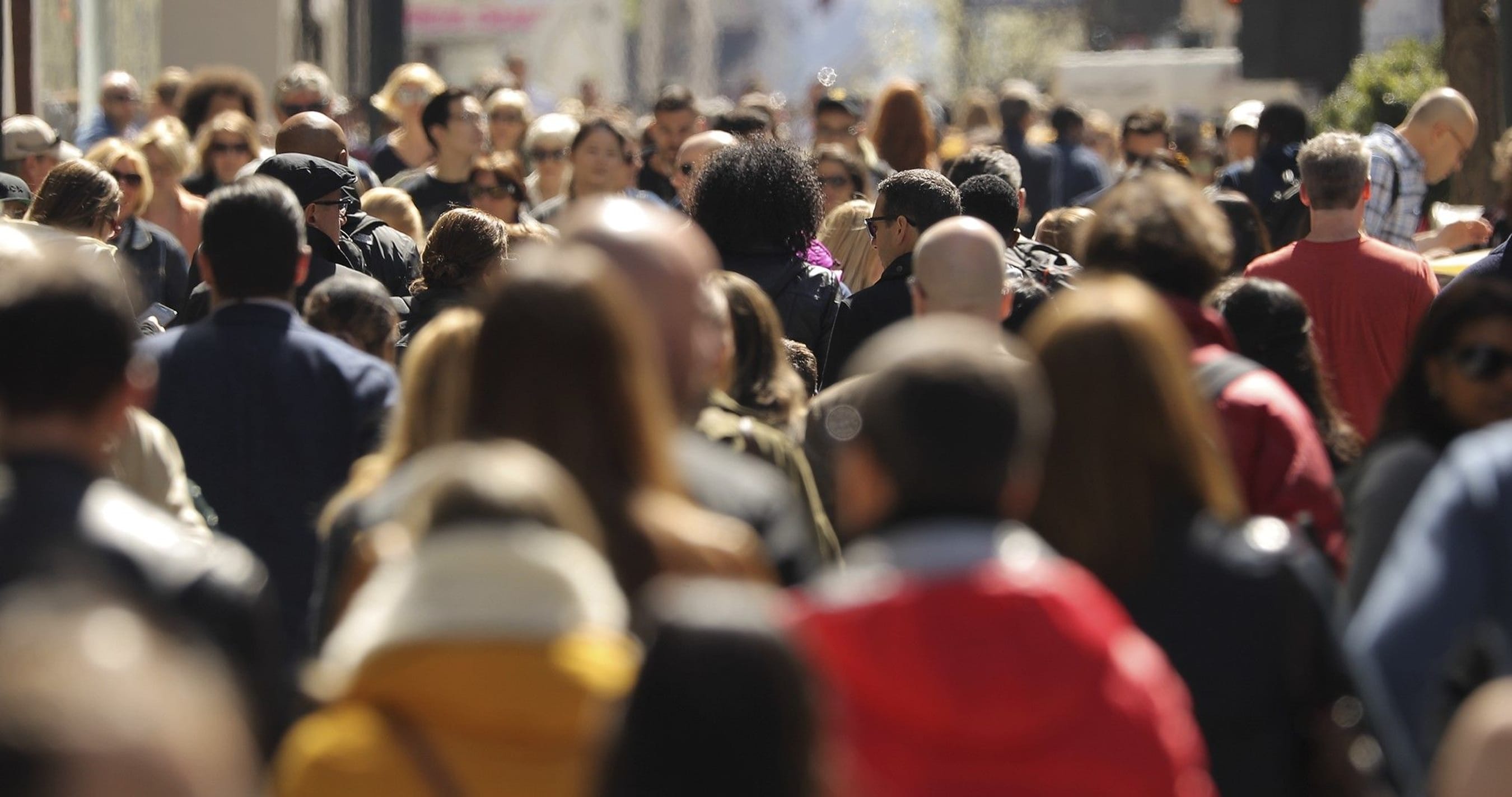

One of the world’s leading metropolitan economies, the region now accounts for approximately 10% of the United States GDP. Too few share in this prosperity, however, and the pandemic only deepened the divide between those with means and those without.
Transportation


390+ rail stations 2,000+ track miles
Our region is served by one of the most extensive transit systems in the world.

4.2 Billion Annual Transit Rides
Transportation is the backbone of the region’s economy, providing access to jobs and education and enabling intra-city and inter-state travel.


79-minute average flight delay at JFK, LGA, EWR
Prior to 2020, we were outgrowing this aging system, which was increasingly unable to meet the region’s changing needs. Now, as a result of the changes to work and social life brought on by the pandemic, new mobility patterns are creating new challenges.
What is RPA’s plan for transportation?
We must expand and modernize mass transit, accommodate the growth of e-commerce, and reimagine our streetscapes — at a pace that meets demands and keeps up with innovation.
Housing & Neighborhood Planning


238,876 public housing units
Wherever they choose to live in the region, people seek many of the same things: an affordable home, a good job within commuting distance, safe streets, a healthy environment, and good schools.
Areas at Risk of Displacement

Yet our region is one of the least affordable and most segregated metropolitan areas in the US, and our housing growth has not kept pace with our economy.
What is RPA’s plan for housing & neighborhood planning?
Our towns and cities should be welcoming, healthy, and affordable for people at all income levels and all stages of life.

How Do Towns Treat Multi-Family Housing?
We need to invest in communities and update land use laws and regulations to reduce segregation and ensure all residents have access to opportunity.
Energy & Environment


2,000,000 acres of protected open space

Our environment plays an essential role in ensuring the health and well-being of the region.

78% of historic wetlands have been lost to development
For most of RPA’s history, threats to our region’s environment came from the encroachment of development upon open space. Now it’s climate change that is threatening — and already transforming — the region.

3,700 miles of coastline

2,000,000 people in 2050 flood zone
Across the tri-state region, pollution is compromising quality of life while increasingly severe storms are taking lives. Most often, immigrant communities and communities of color are paying the greatest price.
What is RPA’s plan for energy & environment?
We must reduce emissions by decarbonizing the region’s buildings, transportation, and energy systems, and ensure these systems can withstand severe weather and rising seas.
Governance


More than 800 state, county, and municipal governments make decisions that impact our entire region.

Each municipality is responsible for its own decisions about land use, property taxes, and schools. This increases costs, creates sprawl, and exacerbates inequality.

$22+ billion of unmet disaster recovery after Superstorm Sandy
Faced with new challenges such as climate change, the COVID-19 pandemic, and increasing inequality, most of our public institutions are slow to act, and do so piecemeal and without adequate funding.
We must reform public bodies for the 21st century, increase participation in government, and make planning more inclusive to create a region that works for all of us.